Introduction to the Uyghurs Community
The Uyghurs Community is a rich and diverse ethnic group residing predominantly in the Xinjiang Uyghur Autonomous Region of China. With a population around 11 million, the Uyghurs represent a unique blend of Central Asian, Turkic, and Islamic influences that have shaped their culture and identity over centuries. However, in recent years, the Uyghurs have faced significant challenges, both socially and politically, raising concerns about their cultural preservation and human rights.
Historical Background of the Uyghurs
The origins of the Uyghurs can be traced back over a thousand years to the time of the Gokturks, who established one of the first Turkic states in the region. The Uyghurs migrated southward and settled in the area of what is now Xinjiang. Throughout history, they played a key role in the Silk Road trade, serving as merchants and cultural conduits between East and West. The spread of Islam in the 10th century significantly influenced their culture, social structure, and lifestyle, ushering in an era of rich cultural development.
Demographics and Geographic Distribution
The Uyghurs primarily inhabit the Xinjiang region of China, which is geographically diverse, featuring mountains, deserts, and fertile areas for agriculture. The major urban centers include Urumqi, Kashgar, and Hotan, where a majority of the Uyghur population resides. The Uyghurs are one of the largest ethnic minorities in China, comprising a significant percentage of the population in Xinjiang compared to Han Chinese, who dominate the demographics in other parts of the country. This significant presence has given rise to ethnic tensions, particularly as government policies increasingly favor Han settlers over the local Uyghur population.
Significance of Culture in the Uyghurs Community
Culture is the cornerstone of the Uyghurs Community. Their rich cultural tapestry is woven from spiritual beliefs, traditions, language, and artistic expression. The Uyghur language, distinct from Mandarin, is a core aspect of their identity. Traditional crafts such as carpet weaving, embroidery, and metalwork highlight their artistic abilities and deep-rooted traditions, while the vibrant music and dance forms, including the famous Twelve Muqam, showcase their unique cultural expressions. Cultural preservation is pivotal for the Uyghurs, especially in the context of ongoing challenges related to identity and existence within a rapidly changing socio-political landscape.
Key Cultural Practices of the Uyghurs
Traditional Celebrations and Festivals
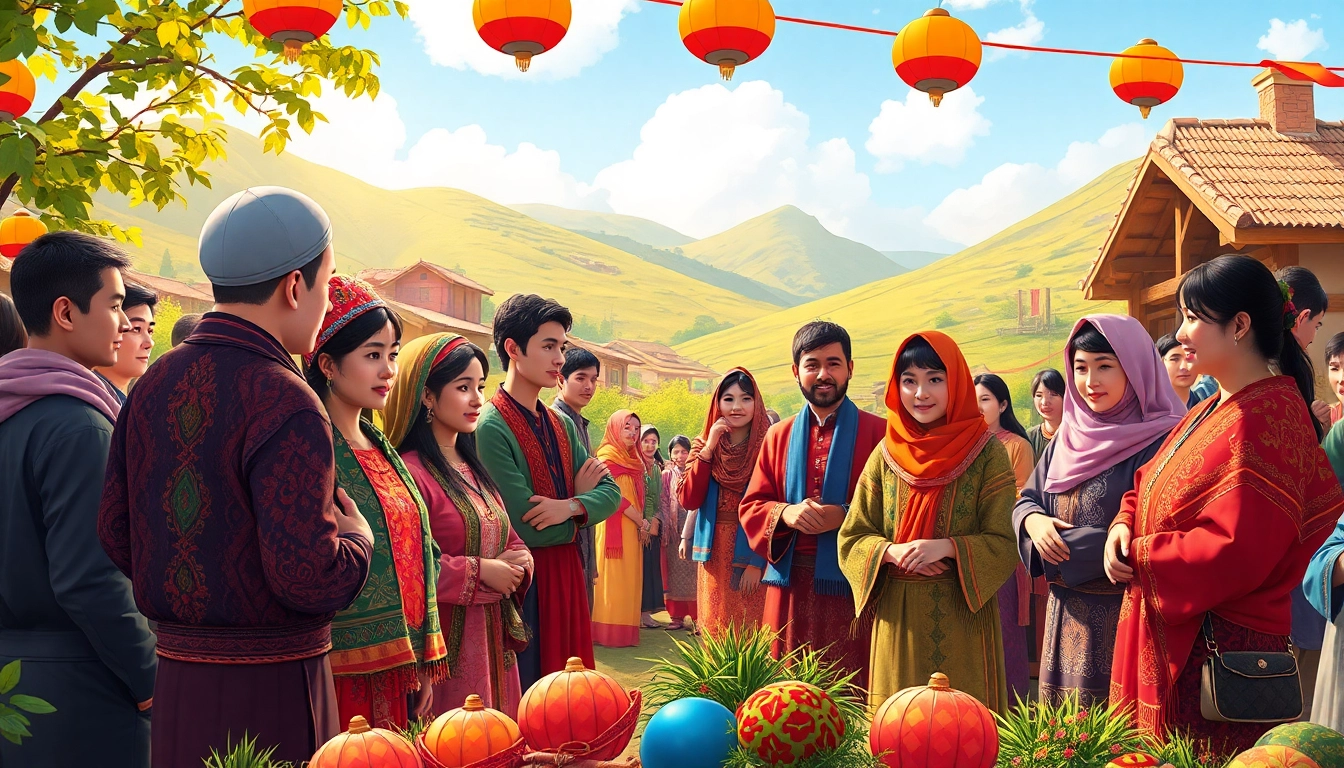
Traditional Uyghur celebrations are vibrant, colorful, and deeply rooted in cultural heritage. Major festivals such as Eid al-Fitr and Eid al-Adha are celebrated with family gatherings, feasting, and communal prayers. The Nowruz festival, marking the Persian New Year, is also significant, symbolizing renewal and the arrival of spring. During these celebrations, traditional music and dances, which are integral to the festivities, bring the community together, reinforcing social ties and cultural identity.
Cuisine and Culinary Traditions
Uyghur cuisine is a delightful blend of flavors and influences. It is characterized by the use of lamb, beef, and hand-pulled noodles, with dishes like laghman (noodle dish) and pilaf being staples. The use of spices such as cumin and chili enriches the flavors of their meals. Street food and regional specialties, including kebabs and Uyghur rice, reflect the nomadic heritage of the community. Food is not just about sustenance; it is a vital part of their cultural expression and social gatherings.
Art, Music, and Literature in Uyghurs Culture
Art and music play significant roles in the Uyghurs Community, with a rich history of oral storytelling, poetry, and traditional performances. The art forms are deeply intertwined with daily life and celebrations. Instruments like the dutar and rawap are used to create vibrant melodies that evoke the struggles and joys of Uyghur life. Literature, both historical and contemporary, preserves the community's narratives, experiences, and cultural values, often reflecting themes of identity, resistance, and the pursuit of freedom.
Social and Political Challenges Facing the Uyghurs Community
Human Rights Issues and International Response
In recent decades, the Uyghurs Community has faced tremendous oppression, with reports of human rights abuses filtering out of Xinjiang. The Chinese government’s crackdown has included mass detentions in so-called “re-education camps,” where many Uyghurs are subjected to indoctrination and other human rights violations. The international community has responded with condemnation, sanctions, and calls for accountability, yet the situation remains critical as the balance between state security and individual rights is increasingly blurred.
Impact of Government Policies on Community Life
Government policies in China have aimed to assimilate Uyghurs into Han Chinese culture, often erasing their linguistic and cultural heritage in the process. These policies have affected education, employment, and religious practices, leading to a culture of fear and oppression. The mass surveillance systems enforced in Xinjiang further exacerbate these pressures, creating an environment where traditional practices and community relationships struggle to thrive.
Role of Activism in Advocating for Rights
Activism plays a crucial role in raising awareness about the plight of the Uyghurs Community. Both local and international activists have mobilized efforts to speak out against human rights violations, utilizing social media and grassroots organizing to amplify their voices. Human rights organizations, NGOs, and concerned citizens have campaigned for greater transparency and accountability, striving to bring the issues facing the Uyghurs to the forefront of global discussions.
Resilience and Adaptation of the Uyghurs Community
Strategies for Preserving Culture
Despite the challenges, the Uyghurs Community continues to strive for cultural preservation through various strategic initiatives. Cultural education programs aimed at younger generations, the celebration of traditional festivals, and the revival of language and artistic expression are integral components. Communities are also leveraging digital platforms to share knowledge and traditions, adapting to a globalized world while maintaining their unique identity.
Case Studies of Successful Initiatives
Numerous initiatives have illustrated the resilience of the Uyghurs. For example, art collectives and cultural organizations are working to reclaim and showcase traditional practices, creating spaces for dialogue and expression. International collaborations, including artist exchanges and cultural festivals, have also provided platforms for Uyghurs to share their stories and arts with a broader audience, fostering global awareness and solidarity.
The Future of the Uyghurs Community
The future of the Uyghurs Community hinges on their ability to adapt to current realities while preserving their heart and soul. As they navigate the complexities of identity and survival under oppressive conditions, their resilience and tenacity can serve as a beacon of hope. Continuous efforts toward advocacy, cultural preservation, and international support will play pivotal roles in determining the trajectory of the community's future.
FAQs about the Uyghurs Community
What is the origin of the Uyghurs Community?
The Uyghurs are a Turkic ethnic group with roots in Central Asia, particularly in the region of Xinjiang, China.
What are some key cultural characteristics of the Uyghurs Community?
They are known for their rich traditions, including music, dance, crafts, and a distinctive cuisine characterized by lamb and hand-pulled noodles.
What challenges does the Uyghurs Community face today?
They face significant challenges, including human rights abuses, cultural suppression, and displacement due to political conflicts and government policies.
How is the Uyghurs Community working to preserve their culture?
Through cultural education, celebration of traditional festivals, and international advocacy efforts, the Uyghurs strive to maintain their cultural identity.
How can people support the Uyghurs Community?
Support can be shown through awareness campaigns, donations to human rights organizations, and advocating for policies that protect their rights.