
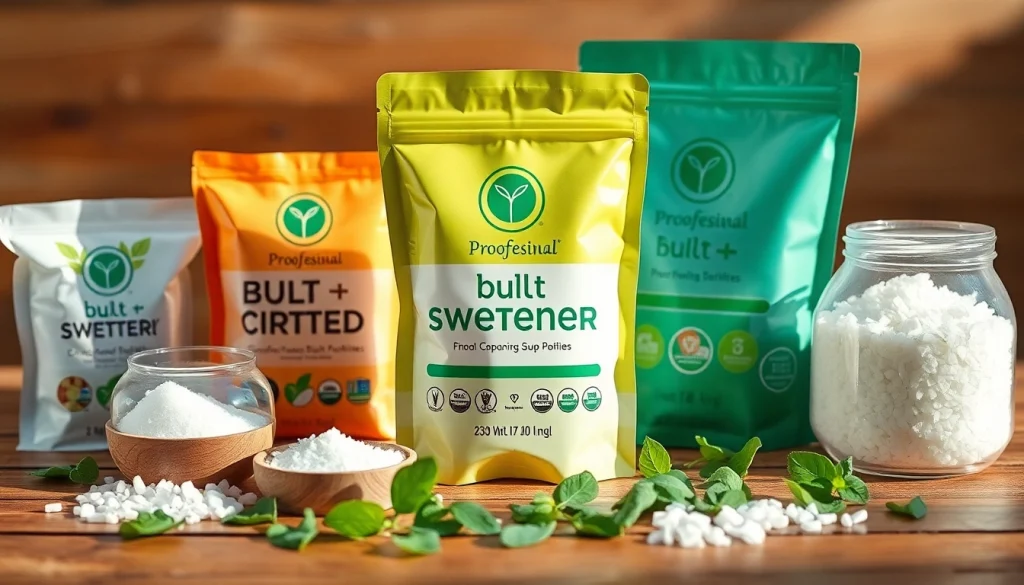
What is Bulk Sweetener?
Definition and Characteristics
A bulk sweetener is a class of sweetening agents that closely mimic the properties of table sugar (sucrose) while providing lower caloric content. Unlike intense sweeteners, which require minimal amounts to achieve sweetness, bulk sweeteners are used in larger quantities to create the desired taste and mouthfeel in food products. They often have a distinctive ability to retain moisture and provide bulk and texture, which makes them particularly suitable for baking and cooking.
Common Types of Bulk Sweeteners
Bulk sweeteners can be derived from various sources, including natural plants and artificial means. Among the most common types are:
- Erythritol: A sugar alcohol that offers about 70% of the sweetness of sugar with very few calories. It is often found in sugar-free products.
- Isomalt: Derived from beet sugar, isomalt has approximately half the calories of sugar and is commonly used in hard candies and chocolates.
- Xylitol: Another sugar alcohol that is about as sweet as sugar but has lower caloric content, widely used in dental products.
- Stevia: A natural sweetener derived from the leaves of the Stevia plant, offering a sweetness many times greater than sugar with zero calories.
- Sucralose: A chlorinated derivative of sugar that is about 600 times sweeter than the original but has negligible calories.
Health Effects and Benefits
While traditional sugars can lead to weight gain and metabolic issues, bulk sweeteners offer several health benefits, including:
- Reduced Caloric Intake: Ideal for those seeking to manage weight, bulk sweeteners provide sweetness with fewer calories.
- Blood Sugar Control: Many, like erythritol and xylitol, do not spike blood sugar levels, making them suitable for diabetics and those on a low-carb diet.
- Improved Dental Health: Xylitol, in particular, has been shown to inhibit the growth of bacteria that can lead to cavities.
- Digestive Health: Some bulk sweeteners may have prebiotic effects, promoting a healthy gut microbiome.
How to Choose the Right Bulk Sweetener
Understanding Sweetness Profiles
Not all bulk sweeteners are created equal, especially regarding sweetness levels. Understanding the sweetness profile is crucial. For example:
- Erythritol: 70% sweetness of sugar.
- Xylitol: Equivalent to sugar.
- Stevia: 50 to 300 times sweeter than sugar.
Knowing how each sweetener measures up can help you determine which is best for your recipes or dietary needs.
Dietary Considerations
The dietary needs of individuals can widely vary. When choosing a bulk sweetener, consider factors such as:
- Caloric Goals: If weight loss is a priority, opt for sweeteners with low or zero calories, like stevia or erythritol.
- Health Conditions: Diabetics may prefer sweeteners like xylitol that don’t affect blood glucose levels significantly.
- Allergies and Intolerances: Ensure that your choice does not contain allergens or substances you’re intolerant to.
Ingredient Origins
Another critical aspect is the source of the sweetener. Natural options like stevia and erythritol may appeal more to health-conscious consumers as opposed to synthetic ones like sucralose.
Review product labels and ingredient lists to ensure you’re selecting a product that aligns with your values and health goals.
Using Bulk Sweeteners in Recipes
Substituting Sugar in Baking
When substituting bulk sweeteners for sugar in baking, it’s important to understand that they possess different properties that can alter the texture and taste of your baked goods:
For instance, when using erythritol or xylitol in baking:
- Quantity: You may need to use more of these bulk sweeteners to match the sweetness level of sugar.
- Moisture Content: Some bulk sweeteners can absorb moisture, affecting the texture. Adjust liquid ingredients accordingly.
- Flavor Profiles: Some sweeteners have a distinct taste (like stevia), which may alter the flavor of lighter desserts.
Cooking with Bulk Sweetener
When cooking, incorporating bulk sweeteners can offer versatility beyond sweetness:
- Marinades: Use xylitol or erythritol in savory marinades to achieve a balanced flavor.
- Sauces: Create healthier sauces by replacing sugar with suitable alternatives without compromising taste.
- Confections: In sugar-free recipes, isomalt is useful for sugar-free candy as it provides a similar texture.
Creating Low-Calorie Beverages
Bulk sweeteners are excellent for crafting low-calorie beverages, and can be used in:
- Smoothies: Enhance your smoothie without the added calories by using stevia or erythritol.
- Teas and Coffees: Enjoy your morning beverage sweetened with xylitol for a guilt-free boost.
- Cocktails: Create refreshing cocktails or mocktails using bulk sweeteners instead of sugary mixers.
Measuring and Storing Bulk Sweeteners
Proper Measurement Techniques
To achieve the desired sweetness and texture, accurately measuring bulk sweeteners is vital:
- Volume Measurement: Use standardized scoops or measuring cups to ensure consistency across recipes.
- Weight Measurement: For precision, especially in baking, consider using a kitchen scale to measure in grams.
Storage Tips for Freshness
To maintain the quality and efficacy of bulk sweeteners, proper storage is essential:
- Cool, Dry Place: Store in a cool, dry area away from sunlight to prevent clumping and degradation.
- Airtight Container: Use airtight containers to maintain freshness and keep away moisture.
- Check for Clumping: Periodically inspect for moisture absorption and clumping, which may reduce efficacy.
Shelf Life and Expiration
The shelf life of bulk sweeteners varies significantly. Generally:
- Granulated Sweeteners: Typically last longer than liquid forms, often several years when stored properly.
- Liquid Sweeteners: May have shorter shelf life; always refer to package advice for expiration dates.
Frequently Asked Questions about Bulk Sweetener
What are the health benefits of bulk sweetener?
Bulk sweeteners can offer reduced caloric intake and better blood sugar management, making them suitable for weight-conscious individuals and diabetics.
Can bulk sweeteners replace sugar entirely?
Yes, in many recipes, bulk sweeteners can replace sugar entirely, but adjustments may be needed in quantity and texture for best results.
Are there any side effects of using bulk sweeteners?
Some bulk sweeteners may cause digestive discomfort in excess, especially sugar alcohols like xylitol. Moderation is key.
How do I know if a bulk sweetener is right for me?
Consider your dietary restrictions, taste preferences, and cooking needs. Experimenting with various types can help find the best fit.
What is the best bulk sweetener for baking?
Erythritol is often favored for baking due to its sweetness and low calorie content without altering flavor profiles significantly.