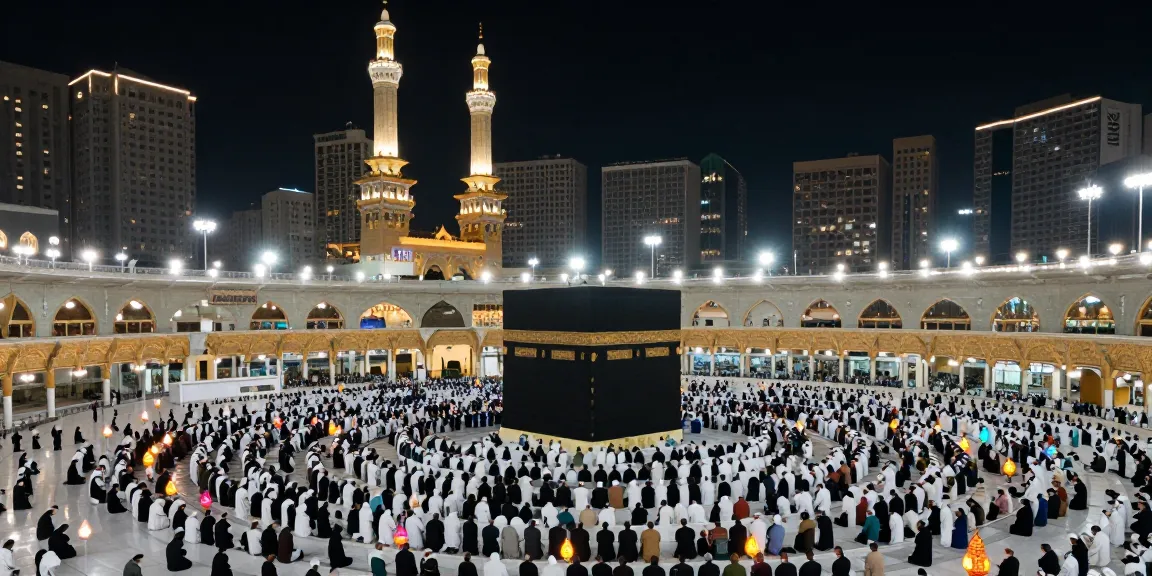
Understanding Umroh Itikaf: The Spiritual Essence
As Muslims prepare for the holy month of Ramadan, many seek to deepen their spiritual connection through various forms of worship. One of the most revered practices is umroh Itikaf, where devotees retreat in mosques, particularly in the Masjid al-Haram in Makkah or Masjid an-Nabawi in Madinah. This practice not only enhances personal spirituality but also offers a profound sense of community and shared faith among worshippers. In this guide, we will discuss the significance of Umroh Itikaf, the benefits of performing it during Ramadan, and what to expect throughout this sacred journey.
Definition and Importance of Itikaf in Islam
Itikaf is an Arabic term meaning “to stay or remain.” In the context of Islam, it refers to the practice of secluding oneself in the mosque, especially during the last ten days of Ramadan, to engage in intensive worship, prayer, and reflection. This deeply spiritual act aligns with the Islamic teachings of self-discipline and dedication to worship, creating a serene environment to connect with God away from everyday distractions. The significance of Itikaf is manifested in numerous hadiths, wherein the Prophet Muhammad (peace be upon him) emphasized its value as a means of seeking forgiveness, increasing one’s faith, and transcending worldly concerns to focus purely on spiritual growth.
Benefits of Performing Umroh Itikaf During Ramadan
Undertaking Umroh Itikaf during Ramadan allows worshippers to experience the unique spiritual atmosphere that this holy month brings, notably the profound atmosphere of devotion and sincerity enveloping both Makkah and Madinah. One remarkable benefit of performing Itikaf is the opportunity to pray and worship within the sacred mosques during the most blessed days and nights of the Islamic calendar. This practice allows individuals to strengthen their faith, maximize their rewards, and have their supplications (dua) accepted, especially during the coveted Laylat al-Qadr (Night of Power). Additionally, being physically present with fellow Muslims creates a powerful sense of community and brotherhood, reinforcing the bonds between believers.
The Spiritual Journey: What to Expect
During Umroh Itikaf, participants can expect to engage in various acts of worship, including reading the Quran, performing mandatory and voluntary prayers, and keeping a balance between personal reflection and communal worship. Devotees often experience a heightened sense of spirituality and divine connection during this period. While some may face challenges, such as fatigue or the intensity of rituals, the overall experience is transformative. It is essential to maintain an open and reflective mindset, welcoming Allah’s mercy and guidance throughout the journey.
Choosing the Right Umroh Itikaf Package
As more pilgrims look to partake in Umroh Itikaf, it’s crucial to select a travel package that aligns with personal or family needs. A wide array of options is available, each catering to different preferences, from accommodations to itineraries.
Comparing Packages for Your Personal Needs
When shopping for an Umroh Itikaf package, it’s advisable to consider factors such as the duration of stay, availability of facilities, and number of fellow pilgrims. Packages may range from budget-friendly options to more luxurious experiences, including amenities like transport and meals. For instance, some packages offer guided tours that enrich the pilgrimage experience by providing historical contexts to various Islamic landmarks.
Budget-Friendly Options for Umroh Itikaf
For those mindful of their financial resources, many travel agencies provide budget-friendly Umroh Itikaf packages, ensuring a fulfilling spiritual journey without the burden of excessive costs. Options usually include shared accommodations, economical meals, and group transportation. Researching travel deals in advance can lead to optimal savings, especially during the peak season of Ramadan.
What to Look for in a Trusted Travel Provider
Ensuring a seamless travel experience hinges on the choice of provider. Look for travel agencies that are reputable, well-reviewed, and officially licensed, such as Jannah Firdaus, which specializes in Umroh and Hajj. Evaluate their customer service, flexibility in planning, ease of communication, and the depth of their package offerings to guarantee an experience that reduces stress and enhances the spiritual journey.
Preparing for Your Trip to Makkah
Preparation is key to a successful Umroh Itikaf experience. From documents to comfort items, it’s important to stay organized and well-prepared for the trip.
Essential Packing List for Umroh Itikaf
An essential packing list for your Itikaf journey should include appropriate clothing for the climate, such as lightweight, modest attire that adheres to Islamic guidelines. Also, don’t forget personal hygiene items, a prayer mat, comfortable footwear, a portable charger, and necessary documents like your passport and visa. Consider bringing along any devotional literature you may wish to read during your stay to enhance your spiritual engagement.
Tips for Booking Flights and Accommodations
When planning your travel, aim to book your flights and accommodations well in advance. Ramadan is a peak period, resulting in increased demand and prices. Utilize travel comparison sites to find the best deals and ensure your accommodations are near the mosques to facilitate easy access, especially during prayer times. Coordination with your travel provider can also significantly simplify this process.
Understanding Visa and Travel Requirements
Securing the necessary visa and travel documents is crucial for a hassle-free pilgrimage. It is advised to check the current visa requirements early, as processes may change leading up to the holy month. Additionally, ensure you comply with any health protocols and regulations imposed by the Saudi government to ensure your journey goes smoothly.
Experiencing the Spiritual Atmosphere of Makkah
The spiritual journey extends far beyond rituals; it encapsulates the feeling of being present in the heart of Islamic faith.
Activities and Rituals During Itikaf
Umroh Itikaf immerses worshippers in various activities, predominantly focused on prayer and reflection. Besides the obligatory prayers, Muslims engage in nightly Taraweeh prayers, Quran recitation, and communal lectures that resonate with teachings from Islam’s rich heritage. Many pilgrims also set personal goals for prayer, contemplation, or community service during their Itikaf.
Local Cuisine to Experience and Group Meals
During your stay, take the chance to experience local cuisine, which offers a delightful addition to your pilgrimage. Many hotels and restaurants around the mosques provide traditional meals that easily cater to pilgrims from various backgrounds. Group iftars and sahurs unite pilgrims, fostering a sense of community and shared experience during this blessed month.
The Community Spirit: Connecting with Fellow Worshippers
One of the most rewarding aspects of Umroh Itikaf is forming bonds with fellow pilgrims. Whether sharing meals or engaging in discussions about faith and spirituality, these moments enhance the overall experience, providing a nurturing environment for faith to flourish. Embrace the diversity of backgrounds and cultures that converge in Makkah, as they contribute to a rich community experience.
Frequently Asked Questions About Umroh Itikaf
What is the best time to perform Umroh Itikaf?
The ideal time for Itikaf is during the last ten days of Ramadan, when the pursuit of Laylat al-Qadr intensifies, making the spiritual rewards even greater.
How can one prepare spiritually for Itikaf?
Preparing spiritually involves deepening your connection to Allah through prayer, reading the Quran, and performing good deeds leading up to the journey. Establishing intentions and setting spiritual goals can help focus your mind during Itikaf.
What are the common challenges faced during Itikaf?
Many pilgrims face challenges such as overcrowding, fatigue from the intensity of worship, or even homesickness. It’s crucial to exercise patience, maintain resilience, and remember the spiritual purpose of the journey.