The Essentials of a Fly Fishing Kit
If you're venturing into the world of fly fishing, understanding what constitutes a comprehensive Fly fishing kit is crucial. Whether you're a beginner or looking to upgrade your gear, knowing the key components and their significance can enhance your experience on the water immensely.
What Makes a Great Fly Fishing Kit?
A great fly fishing kit combines quality components, user-friendliness, and adaptability to various fishing environments. When choosing a kit, consider the following:
- Quality Rod and Reel: A well-balanced rod and reel are essential for effective casting and fish control.
- Included Accessories: A complete kit should have essential accessories like flies, line, and leaders, ensuring you're ready to fish upon unpacking.
- Durability: Materials should be robust enough to withstand weather conditions, saltwater exposure if needed, and the physical demands of fishing.
- Affordability: Look for a kit that offers good value for money without compromising on quality. Prices can vary significantly, so it's wise to research before making a purchase.
- User-Friendly: Kits designed for beginners should come with easy-to-follow guides or manuals.
Understanding the Components: Rods, Reels, and Flies
The key components of any fly fishing kit include:
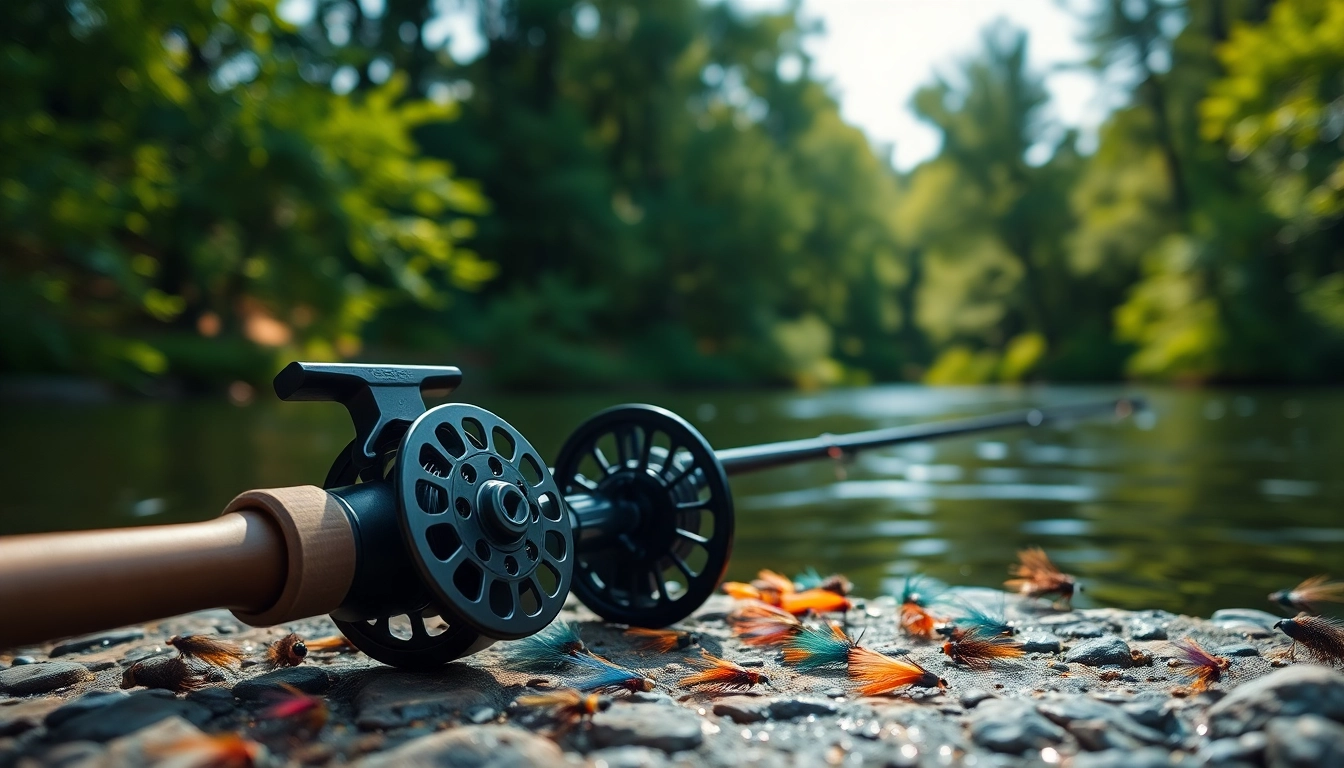
- Fly Rod: Usually made from graphite or fiberglass, the rod comes in various lengths and weights to suit different fishing conditions.
- Fly Reel: While its primary function is to store the line, a good reel also balances the rod and provides the means to retrieve fish.
- Flies: These artificial lures mimic insects or bait fish and come in different types, including dry flies, wet flies, and nymphs. A diverse selection increases your chances of success.
- Line: Fly lines are typically weight-forward or double-taper, designed to cast flies effectively. The choice of line affects your casting accuracy and distance.
- Leader and Tippet: The leader is the line that connects the fly line to the fly, while the tippet is a thinner section attached to the fly to make it less visible to fish.
Choosing the Right Weight for Your Needs
Fly rods and reels are categorized by weight, which indicates their ability to cast various sizes of flies and line. Choosing the right weight depends on the type of fishing you plan to do:
- For Trout: A 5-weight rod is often recommended for general trout fishing, providing a good balance for casting small to medium-sized flies.
- For Larger Fish: As you aim for larger species like bass or steelhead, consider a rod in the 7-10 weight range to cope with the added stress.
- For Stream Fishing: A lighter 3-weight rod is ideal for casting in tight spaces with smaller flies and delicate presentations.
Setting Up Your Fly Fishing Kit
Once you have your kit, setting it up correctly is essential for successful fishing. Here’s a step-by-step guide to assembling your Fly fishing kit.
Step-by-Step Guide to Assembling Your Kit
- Attach the Reel: Secure the reel to the rod by aligning the reel foot with the reel seat and tightening the screw.
- Spool Line: Prepare your fly line by threading it through the rod guides, paying attention to the correct orientation and ensuring it's free of twists.
- Connect the Leader Line: Attach the leader line to the fly line using a loop-to-loop connection or a nail knot for added security.
- Attach the Tippet: Tie the tippet to the end of the leader using a double surgeons knot to ensure it doesn’t slip.
- Choose Your Fly: Select a fly based on the target fish and local conditions. Attach it using a non-slip loop knot to allow freedom of movement.
Common Mistakes to Avoid When Setting Up
New anglers often make some common mistakes when setting up their kits:
- Improper Knot Tying: Ensure you use reliable knots; poorly tied knots can result in lost fish.
- Overloading the Rod: Using a too-heavy line for your rod weight can hinder casting performance and damage your gear.
- Forgetting to Check Equipment: Inspect your gear regularly for signs of wear or damage to prolong its lifetime.
Peak Performance: Tuning Your Equipment
Maximizing your kit's performance involves regular maintenance and adjustments:
- Line Condition: Regularly clean your fly line with warm water and a line cleaner to maintain casting distance and prevent dirt buildup.
- Check Drag System: Ensure the reel's drag system is correctly set to accommodate the type of fish you are targeting.
- Storage: Store your gear in a cool, dry place, and use protectors for the rod and reel during transport to prevent damage.
Best Practices for Fly Fishing
Understanding best practices will enhance your overall experience and success in fly fishing. Here are some essential techniques and strategies.
Techniques for Effective Casting
Proper casting technique is crucial for success in fly fishing. Focus on the following:
- The Fundamentals: Use smooth, controlled motions rather than brute strength to cast your line effectively.
- Practice Roll Casting: This technique is invaluable in tight spaces where backcasting is not an option.
- Double Haul: This advanced technique allows for increased line speed, giving you more distance and improved accuracy.
Choosing the Right Spot on the Water
Your success can depend heavily on where you choose to cast. Consider these tips:
- Look for Structure: Fish often congregate around rocks, logs, or underwater structures, so focus your efforts there.
- Observe Water Movement: Identify areas of current, eddies, or pockets where fish may be lying in wait for food.
- Pay Attention to the Time of Day: Early mornings and late evenings are often the most productive times for fishing.
Reading Water and Knowing Your Fish
Understanding the natural habitat of your target fish can dramatically increase your success:
- Fish Behavior: Learn about the dietary habits of your target species to choose the right flies.
- Water Type: Different fish prefer specific types of water (e.g., fast-moving vs. calm) so adjust your techniques accordingly.
- Seasonal Changes: Fish behaviors often change with the seasons; adapt your strategies to match their patterns.
Maintaining Your Fly Fishing Kit
Proper maintenance will prolong the life of your Fly fishing kit and ensure peak performance on every fishing trip.
Care Tips for Rods and Reels
Follow these essential care tips:
- Cleaning: Rinse your rod and reel with fresh water after each saltwater trip to prevent corrosion.
- Regular Lubrication: Keep your reel's moving parts lubricated to ensure smooth operation and longevity.
- Check Guides: Inspect rod guides for any nicks or damage that could fray your line.
Fly Management and Storage Solutions
Keeping your fly collection organized and in good condition is essential:
- Use Fly Boxes: These containers keep flies organized and protected from damage.
- Label Your Flies: Labeling will help you quickly find your desired flies, especially in large collections.
- Avoid Moisture: Ensure your flies are stored in dry conditions to prevent mold and deterioration.
When to Replace Parts of Your Kit
Knowing when to replace components will optimize your performance:
- Inspect Rod and Reel: Check for cracks or excessive wear. Replace if necessary to avoid failure on the water.
- Change Line Annually: Replace your fly line every year or two, as wear can affect casting and fish-catching ability.
- Replace Flies Regularly: Discard damaged or poorly performing flies and restock as needed to ensure effectiveness.
Frequently Asked Questions
What is included in a basic fly fishing kit?
A basic fly fishing kit generally includes a fly rod, reel, line, leader, and a selection of flies to ensure readiness for fishing.
How do I choose the right fly rod for my fishing style?
Select a rod based on the fish species you are targeting as well as the fishing environment you will be in for optimal performance.
Can I use a fly fishing kit for saltwater fishing?
Yes, but ensure your kit's components are compatible with saltwater conditions to prevent corrosion and damage.
What maintenance does a fly fishing kit require?
Regular line cleaning, equipment checks for wear, and proper storage practices are crucial for the longevity of your kit.
Are fly fishing kits suitable for beginners?
Absolutely! These kits are designed to be user-friendly, making the learning process for new anglers much easier and more enjoyable.