Understanding Fly Fishing Tippet: Definition and Purpose
What is Fly Fishing Tippet?
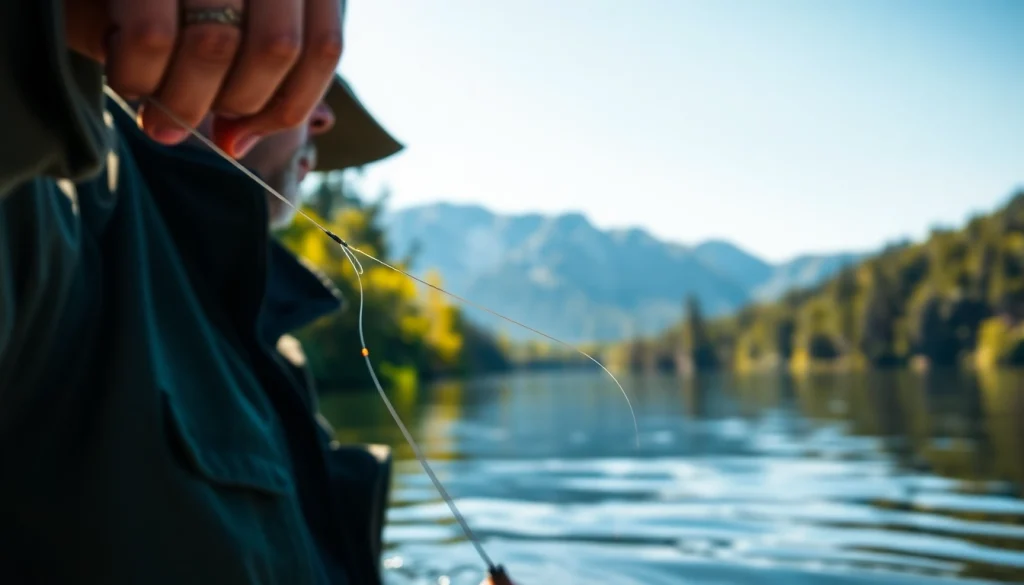
Fly fishing tippet is a specialized fishing line that connects the fly to the leader. It plays a critical role in ensuring that the fly is presented effectively to the fish. Tippet can be considered the final segment of a fishing line, acting as a conduit that assists in delivering the fly to its target without alarming the fish. This material is typically finer and more transparent than the leader line, which makes it less detectable in the water. In essence, the tippet is crucial for a seamless fly presentation that enhances the angler’s chance of a successful catch. Understanding its characteristics is essential for every angler, and investing in the right fly fishing tippet can make all the difference.
Importance of Choosing the Right Tippet
Choosing the right tippet is vital for success in fly fishing. The correct tippet can optimize the fly’s presentation, allow for better casting, and improve your chances of landing fish. The choice of material, strength, and diameter all impact the performance of your setup. For instance, using a tippet that is too heavy could spook fish in clear water, while using one that is too light might not hold up to larger fish. Moreover, different species of fish may require specific tippet characteristics to pique their interest. A well-considered tippet choice ensures that your fly behaves naturally, which is essential for effective fly fishing.
Types of Fly Fishing Tippet Materials
Fly fishing tippets are primarily made from two types of materials: nylon and fluorocarbon. Each has its unique advantages. Nylon tippets are stretchy, allowing for some shock absorption, which is beneficial when fighting fish. They are generally more affordable and easier to find. On the other hand, fluorocarbon tippets are less visible underwater due to their refractive index being similar to that of water, making them ideal for wary fish. Fluorocarbon is also denser and sinks faster than nylon, which can be advantageous in certain fishing scenarios. Understanding these materials helps anglers make informed decisions based on their fishing conditions and target species.
Selecting the Right Fly Fishing Tippet
Tippet Size and Strength Basics
The size and strength of your tippet are critical factors that influence your fly fishing experience. Tippet sizes typically range from 0X (the thickest) to 8X (the thinnest). The ‘X’ scale indicates the tippet’s diameter; the lower the number, the thicker the tippet. Strength, measured in pounds, varies significantly within different tippet sizes. For example, a 4X tippet can generally handle around 6 to 7 pounds, making it suitable for mid-sized fish. When selecting a tippet, consider the species you are targeting and the conditions of your fishing environment. The right balance between size and strength is essential for both performance and success.
Matching Tippet to Line and Fly
A critical aspect of ensuring your fly fishing setup is effective involves matching your tippet to your line and fly. The general rule is that your tippet should be thinner than your leader but compatible with the fly you are using. This duo creates a seamless transition from the heavier line to the more delicate fly, enhancing the overall presentation. Additionally, aligning the tippet size with the weight of your fly is essential; a heavy fly requires a stronger tippet that can withstand the pull during casting. Taking these factors into account maximizes the likelihood of attracting fish.
Common Mistakes to Avoid
Even seasoned anglers can make mistakes when selecting their tippet. One common error is using a tippet that is too strong—this can hinder the fly’s natural movement and alert fish. Conversely, using too light a tippet can lead to break-offs, especially with larger fish. Another common mistake is neglecting to consider the water conditions. In clear water, thinner tippets are essential to avoid spooking fish, while in murky waters, a thicker tippet might suffice. Finally, not replacing worn or damaged tippet is a frequent oversight that can affect fishing performance. Regularly checking and changing your tippet can solve a multitude of problems.
Techniques for Tippet Management
Proper Knot Tying Methods
Knot tying is an integral part of efficient tippet management. The strength of your knots can be the difference between landing a catch or losing it. A few effective knots include the Improved Clinch Knot, which is favored for its strength and reliability, and the Double Surgeon’s Knot, which allows for a seamless connection between the tippet and leader. These knots minimize line slippage and provide a secure hold. It’s critical to practice these knots regularly to ensure reliability when it matters most, especially when facing large or powerful fish.
Managing Tippet Length for Success
Tippet length can significantly affect casting performance and fly presentation. While a standard length ranges between 3 to 9 feet, the specific conditions you face can dictate the appropriate length. Longer tippets can aid in drifts and reduce visibility, while shorter tippets can improve control and sensitivity. It’s advised to adjust the length based on variables such as water clarity, wind conditions, and the type of fly used. Keeping multiple lengths available will offer flexibility and enhance your adaptability on the water.
Tips for Tippet Maintenance
Maintaining your tippet is crucial for optimal performance. It is advisable to store tippet spools in a cool, dry place to prevent degradation from sunlight and moisture. Regularly check for any nicks, abrasions, or fraying in the tippet, especially after a lengthy fishing session. Any visible wear can compromise its integrity and lead to break-offs. Additionally, avoid over-tightening when tying knots as this can weaken the material. Taking these maintenance steps ensures that your tippet remains effective and reliable.
Advanced Fly Fishing Tippet Strategies
Seasonal Considerations for Tippet Selection
Fish behavior varies with the seasons, which in turn affects tippet selection. In warmer months, fish tend to be more active, and using a heavier tippet can withstand their strength. In the colder months, fish become lethargic and wary; thus, opting for thinner tippets can be more effective, as they help avoid spooking fish. Moreover, increased algae and debris in warmer waters can require heavier tippets to withstand the added resistance. Understanding these seasonal behaviors allows anglers to tailor their tippet choices for improved results.
Using Multiple Tippets in One Setup
Innovative Tippet Techniques for Different Species
Different species of fish may require distinct tippet strategies for optimal success. For example, when targeting trout, a thinner, nearly invisible tippet can improve your likelihood of getting bites. In contrast, when pursuing species such as bass or pike, heavier, more durable tippets can withstand their powerful strikes and spirited fights. Experimenting with tippet sizes and configurations tailored to specific fish can yield better results, allowing you to adapt your fishing style and approach based on the target species.
Frequently Asked Questions about Fly Fishing Tippet
How long should my fly fishing tippet be?
A typical length is 3 to 9 feet, depending on conditions and target species.
What pound test should I use for tippet?
Choose a test based on your line strength and fish type, usually between 2X to 6X.
Can I re-use tippet?
Yes, but inspect for wear. Discard if frayed or damaged for better performance.
When should I change my tippet?
Change your tippet after significant catches, snags, or visible wear and tear.
Is thicker tippet always better?
Not always; thicker tippet is stronger but can reduce visibility and spook fish.