What is Drayage? An Overview
The Definition of Drayage
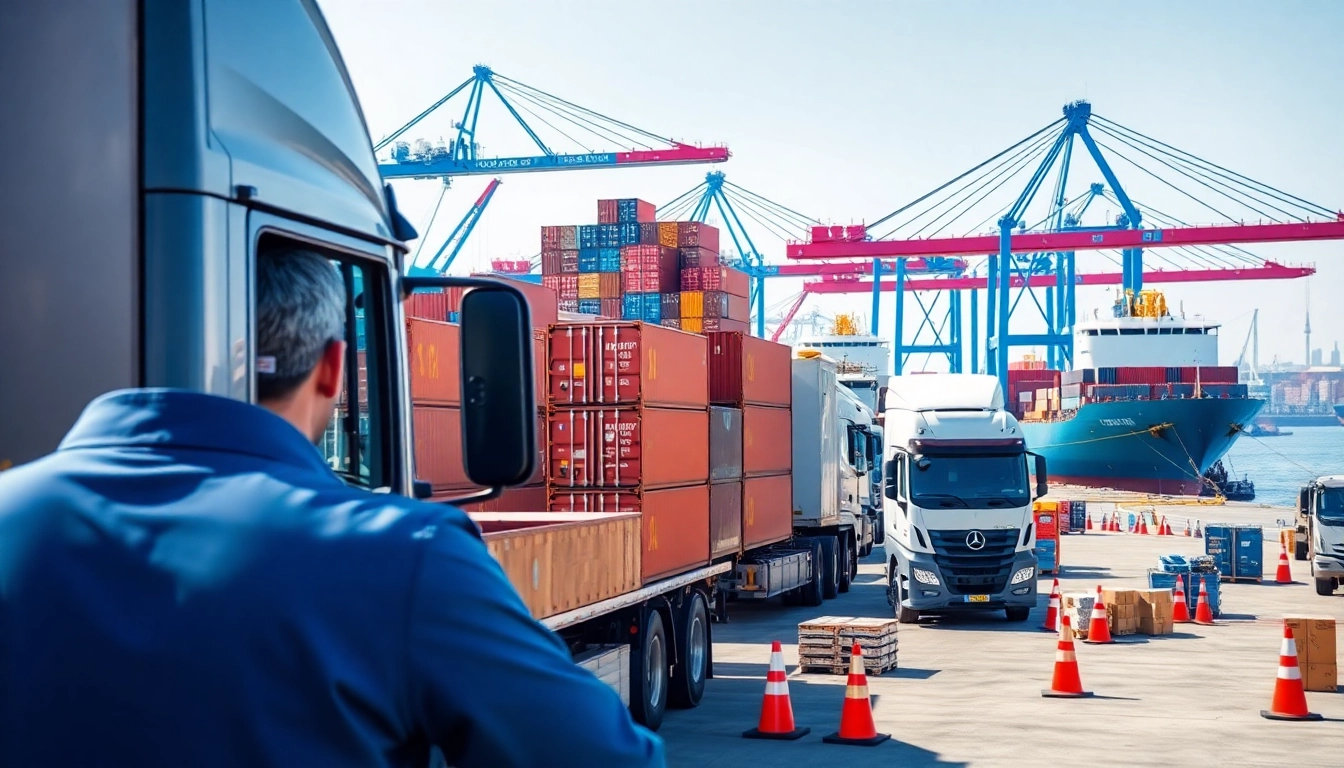
Drayage refers to the transportation of shipping containers and freight over short distances—typically from ports or rail yards to warehouses or distribution centers. In essence, drayage acts as the critical link in the supply chain that ensures goods move quickly and efficiently between modes of transportation. It is not standalone but rather part of a larger transportation process. Often, drayage services are integrated into a broader logistics operation, such as moving goods from a ship to a warehouse or vice versa. This often involves a transfer of goods loaded in containers, which then require transport by truck for short distances.
Importance of Drayage in the Supply Chain
The significance of drayage in the supply chain cannot be overstated. As goods travel across various channels, the efficiency and reliability of drayage services determine overall supply chain performance. For example, delays at any point in transportation—whether maritime, rail, or road—can cause a ripple effect, leading to increased costs and customer dissatisfaction.
Moreover, drayage contributes to urban logistics, particularly in metropolitan areas where goods often need to be transported quickly to meet consumer demands. Efficient drayage services help ensure timely deliveries, which is increasingly crucial in our fast-paced, e-commerce-driven market. Drayage management is thus central to optimizing the speed and efficiency of goods movement.
Types of Drayage Services
There are various types of drayage services tailored to meet different logistics needs, including:
- Intermodal Drayage: This involves the transportation of containers between different modes of transport, such as shipping from a port to a rail yard.
- Transloading: In this process, goods are transferred from one container to another mode of transport, often for further distribution.
- Short-haul Drayage: Refers to drayage operations within a limited range or immediate area, often within same metropolitan zones.
- Long-haul Drayage: This service covers distances beyond 50 miles that are still considered localized delivery.
How Drayage Works in Logistics
Process of Drayage Transportation
The drayage process consists of several key steps:
- Container Pickup: Drayage begins with the collection of containers from ports or rail yards. Trucking companies specialize in this task, often needing to navigate congested areas.
- Transport: The loaded container is then transported to its designated location. This is typically close by, though it may involve multiple stops or transfers.
- Drop-off: The containers are delivered to warehouses or distribution centers, where they are unpacked and sorted for final delivery.
- Return: If needed, the empty containers are then returned to the port or rail yard.
Common Drayage Routes
Common drayage routes tend to focus on key transportation hubs. These typically include:
- Ports (both ocean and inland)
- Rail yards (intermodal hubs)
- Warehouses and distribution centers
- Air freight facilities
Given the rise in e-commerce, these routes are dense with traffic, and many logistics providers are focusing on optimizing these connections.
Key Players in Drayage Operations
Several key players are integral to effective drayage operations:
- Drayage Carriers: These are trucking companies that specialize in drayage services, connecting transport modes.
- Logistics Providers: These are organizations that manage logistics processes, ensuring that drayage integrates well with overall supply chain activities.
- Shippers: These are entities that produce or import goods, requiring drayage services to manage their logistics.
- Port Authorities: These influence how drayage services operate at ports and are essential in ensuring infrastructure is adequate for needs.
Challenges in Drayage: What to Watch Out For
Common Issues Faced by Drayage Providers
Despite its critical role, drayage is not without challenges. Some common issues include:
- Congestion: Ports and rail yards are often congested, leading to delays in pickups and drop-offs.
- Regulatory Compliance: Keeping up with state and local regulations can be challenging and can result in delays if not properly managed.
- Equipment Availability: There may be shortages of containers or trucks, especially during peak shipping seasons.
- Cost Volatility: Fuel prices and other operational costs can fluctuate significantly, impacting the overall cost of drayage services.
Strategies for Mitigating Delays
To mitigate these challenges, logistics companies often employ several strategies, such as:
- Real-Time Tracking: Utilizing technology for real-time updates can help in planning and mitigating delays.
- Effective Scheduling: Optimizing routes and scheduling can minimize congestion and improve pick-up and drop-off times.
- Communication Protocols: Regular communication with all stakeholders ensures everyone is aware of any potential issues that may arise.
Understanding Drayage Costs and Pricing Factors
Pricing for drayage services can vary widely based on several factors:
- Distance Between Points: Longer drayage routes will naturally incur higher costs.
- Container Type: Different types of containers (e.g., standard, refrigerated) may come with varying rates.
- Peak Season Demand: Costs can spike during peak shipping seasons due to demand outpacing supply.
- Fuel Costs: Since drayage services are truck-based, the volatility of fuel pricing heavily influences overall costs.
Best Practices for Effective Drayage Management
Tools and Technologies for Drayage Efficiency
To enhance the efficiency of drayage operations, many companies are investing in various tools and technologies:
- Transportation Management Systems (TMS): These systems facilitate planning, execution, and optimization of the movement of goods.
- GPS and Fleet Management Tools: These tools allow for real-time tracking of vehicles, improving operational transparency.
- Data Analytics: Analytics can help predict delays, assess performance, and inform decision-making.
Communication Strategies with Drayage Partners
Effective communication is key to successful drayage operations. Here are some strategies:
- Regular Check-Ins: Regularly scheduled meetings can help to identify issues and facilitate better collaboration.
- Open Channels: Establishing open lines of communication for quick resolution of problems can reduce delays.
- Documentation: Documenting processes and communications ensures transparency and accountability among all partners.
Evaluating Drayage Service Performance
To ensure high-quality service, companies should regularly evaluate their drayage performance through:
- KPIs: Key Performance Indicators, such as on-time delivery rates and container utilization, can provide valuable insights into operational effectiveness.
- Feedback Loops: Establishing feedback mechanisms with clients and carriers helps identify areas for improvement.
Future Trends in Drayage Services
Impact of E-commerce on Drayage Demand
The rapid growth of e-commerce is reshaping the landscape of drayage. As consumers increasingly demand faster delivery times, companies are upping their game by investing in efficient drayage processes to meet these expectations. This trend is leading to an expansion of service offerings, including same-day and next-day delivery options.
Technological Advances and Their Role
Advanced technologies such as Artificial Intelligence (AI), machine learning, and blockchain are redefining drayage operations. For instance, AI can optimize routing based on traffic conditions, while blockchain offers increased transparency and reliability in logistics documentation.
Regulatory Changes Affecting Drayage Operations
As logistics evolves, so too do the regulations that govern it. Companies must remain vigilant regarding potential regulatory changes, particularly in areas such as sustainability and safety. Adapting to these changes will be critical for maintaining compliance and efficiency in drayage operations.