Understanding Garage Floors
When it comes to home improvement projects, one area that often gets overlooked is the garage. However, a well-chosen garage floor can transform the space, enhancing both functionality and aesthetics. With various garage floors available, understanding their characteristics is essential for making informed decisions.
The Importance of Choosing the Right Garage Floors
Your garage floor is not just a place to park your car; it's a multi-functional space that may serve as a workshop, storage area, or fitness zone. Choosing the right garage floor is critical because it impacts safety and durability while contributing to the overall value of your home. A high-quality floor can resist stains, spills, and wear and tear, and some materials can even improve traction to prevent slips and falls.
Materials Options for Garage Floors
The variety of materials available for garage floors can be overwhelming. Here’s a breakdown of some popular options:
- Epoxy Coating: A durable, high-gloss surface that resists scratches and stains.
- Polyurea Coating: Offers faster curing times and better resistance to chemicals compared to epoxy.
- Concrete Sealer: Enhances the longevity of the concrete surface while preventing moisture penetration.
- Vinyl Floor Tiles: Easy to install and available in various designs, waterproof, and providing decent durability.
- Interlocking Tiles: Made of rubber or PVC, these tiles offer a soft and cushioned surface ideal for standing for long periods.
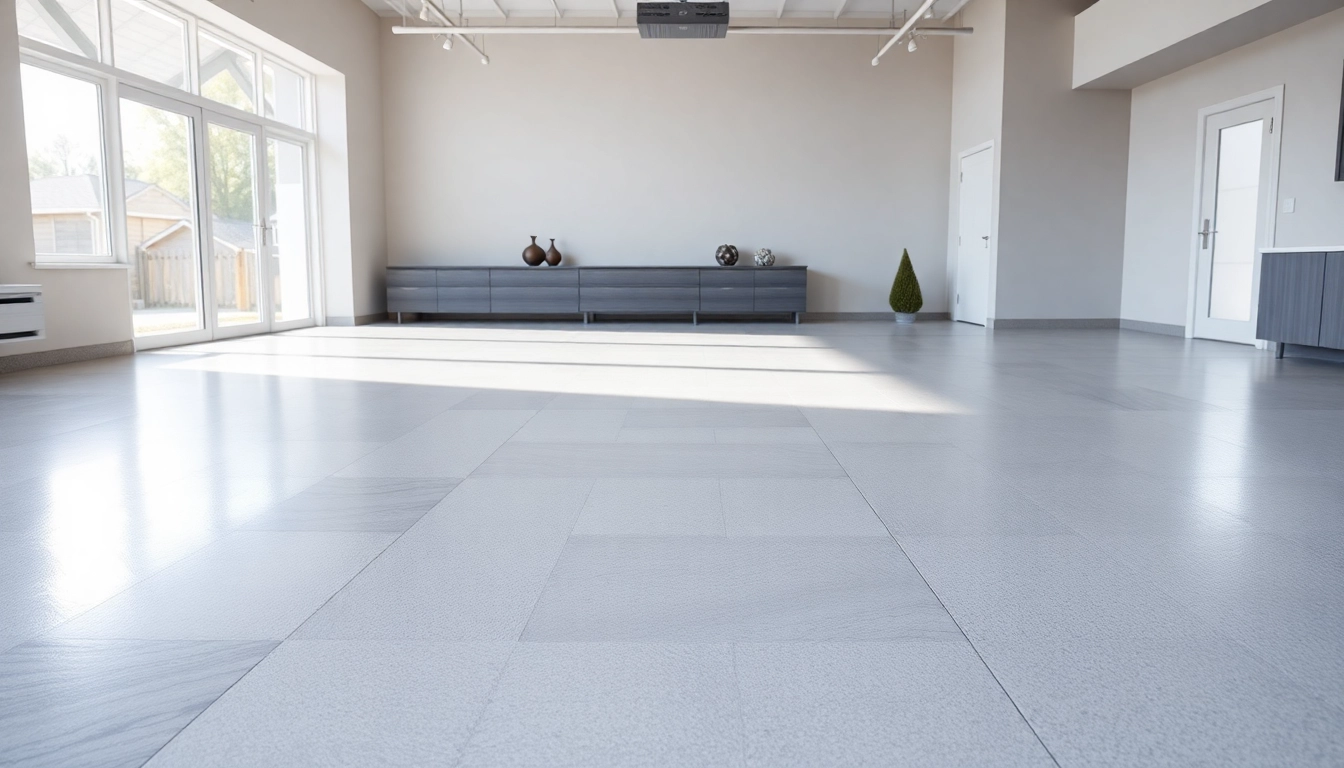
- Polished Concrete: Provides a shiny finish and is incredibly durable, making it a popular choice for modern garages.
Common Myths About Garage Floors
Many misconceptions exist regarding garage floors that can lead to poor decisions. Below are some of the most common myths debunked:
- Myth 1: All garage floors are just concrete.
- Myth 2: Garage floors are not necessary if the garage is used for storage.
- Myth 3: DIY installation is not possible with any flooring type.
- Myth 4: Garage floor coatings are not worth the investment.
Benefits of Quality Garage Floors
Durability and Longevity
High-quality garage floors can withstand heavy loads, resist damage from chemicals, and endure the variety of weather conditions that they may be exposed to. Epoxy and polyurea coatings, for example, are engineered to last for years under intense use, providing long-term savings on repairs and replacements.
Enhanced Aesthetics and Style
Gone are the days of plain, gray concrete. Many modern garage flooring options come in various colors and patterns, allowing homeowners to customize their space to reflect personal style. Transforming your garage into an inviting area can enhance the visual appeal of your home.
Increased Property Value through Garage Floors
A well-finished garage floor can significantly boost your home's resale value. Potential buyers often look for functional and enjoyable spaces, and a quality garage floor can enhance your property’s overall market presence.
Installation Process of Garage Floors
Do-It-Yourself Installation Tips
DIY installation can save you money and give you a sense of achievement. Start by selecting the right flooring material and ensuring your garage floor is clean and free of debris. Most products come with detailed instructions; however, consider the following tips:
- Carefully measure the area to buy the right amount of material.
- Allow time for proper curing if using epoxies or sealers.
- Use quality tools and safety gear during the installation process.
- Consider temperature and humidity, as they can affect drying times and adhesion.
When to Hire a Professional for Garage Floors
While DIY projects can be rewarding, sometimes hiring a professional is the best option. Complex installations involving heavy-duty coatings or intricate designs typically require specialized skills. Additionally, if your garage floor has significant damage or requires extensive leveling, professional help can ensure the job is done correctly.
Cost Considerations for Garage Floors
The overall cost of garage floors can vary significantly based on material choice, size, and installation method. Generally, expect to spend around $3 to $10 per square foot, with installation costs potentially adding 50% to the total price. Budgeting wisely allows you to select the best material that fits your needs without overspending.
Maintenance Tips for Garage Floors
Regular Cleaning Practices
Maintaining your garage floor is crucial for longevity. Regular sweeping, vacuuming, or using a leaf blower can keep debris and dirt at bay. For periodic deep cleansing:
- Use a mop with warm water and a pH-neutral cleaner to avoid damaging the surface.
- For stains, a specialized cleaner designed for your floor type can effectively remove oils or chemicals before they penetrate.
Repairing Damaged Garage Floors
Even the most durable garage floors can sustain damage over time. For minor cracks, fill them with a suitable epoxy or concrete filler. For extensive damage, it may be prudent to consult a professional or consider resurfacing the entire floor.
Seasonal Maintenance Tasks
Different seasons bring unique challenges for your garage floors. In winter, watch for ice melt chemicals and salt that can degrade surfaces. In summer, ensure adequate ventilation to prevent mold and mildew. Regular inspection and maintenance routines can help keep your floors looking brand-new.
Innovative Features for Modern Garage Floors
Eco-Friendly Material Choices
As sustainability becomes increasingly important, many flooring manufacturers are developing eco-friendly options for garage floors. These might include recycled materials, low-VOC finishes, and energy-efficient production methods. Selecting sustainable materials not only benefits the environment but can also improve indoor air quality.
Custom Designs for Unique Garage Floors
The customization potential for garage floors is quite extensive. Some homeowners opt for personalized logos, patterns, or even color blends to make their garage truly unique. Advanced printing technologies make it possible to engrave or print directly onto the surface, turning ordinary flooring into a statement piece.
Smart Technology Integration in Garage Floors
Technology is progressively penetrating every facet of our lives, including our garage spaces. Features like smart flooring sensors can help monitor moisture levels, alerting homeowners to potential issues before they escalate. Furthermore, advancements in lighting and integrated heating systems can turn your garage into a more functional and comfortable space.
FAQs about Garage Floors
What are the best materials for garage floors?
Popular choices include epoxy, polyurea, and tiles, each offering unique benefits in terms of durability and aesthetics.
How do I maintain my garage floors?
Regular sweeping and occasional mopping with suitable cleaners can keep your garage floors looking fresh and new.
Is DIY installation of garage floors feasible?
Yes, many homeowners successfully install garage floors themselves, especially with peel-and-stick tiles or epoxy kits.
What are the costs associated with garage floors?
Costs vary widely based on materials and installation; average prices range from $3 to $10 per square foot.
Can I customize my garage floors?
Absolutely! Options for customization include color selection, patterns, and coatings to match your style and preferences.