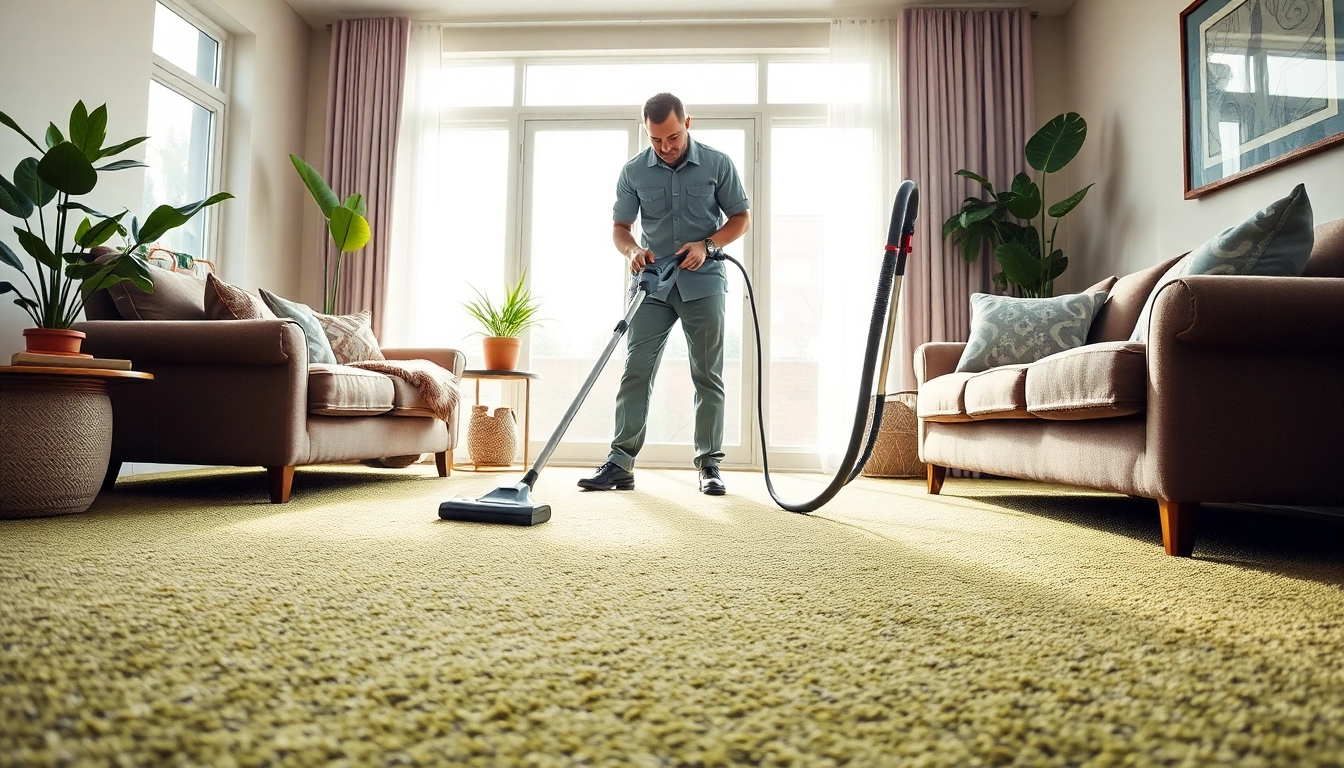
Understanding Pet Odor and Its Sources
Pet odor can be a challenging issue for pet owners, often stemming from organic matter that accumulates in carpets. Understanding the causes behind these unpleasant smells is crucial for effective cleaning and prevention strategies. Using proper techniques such as pet odor carpet cleaning can make a significant difference in keeping your home fresh and welcoming.
The Science Behind Pet Odors
Pet odors primarily arise from the breakdown of organic substances found in urine, feces, and saliva. When pets have accidents or track mud and dirt into the house, they leave behind more than just stains; these substances contain bacteria and other compounds that decompose, leading to a foul smell. Their enzymes break down organic materials into small particles that contribute to the unpleasant odors. This process intensifies when carpets, fabrics, and furnishings trap these organic residues.
Common Causes of Pet Odors on Carpets
- Urine Accidents: Unexpected accidents are the most common source of pet odor. Urine contains uric acid, which can penetrate deep into carpet fibers and padding.
- Feces and Vomit: Solid waste and vomit can also leave stubborn stains and odors if not addressed immediately.
- Wet Fur: Damp fur from rainy walks or swimming can lead to mildew and musty smells, especially if the pet lies on carpets.
- Food Residues: Food spills and crumbs attract pests and microorganisms, contributing to unsightly odors.
The Importance of Addressing Odors Quickly
Fast action is essential when dealing with pet odors. The longer unpleasant smells linger, the harder they become to eliminate. Extended exposure also presents health risks, including attracting pests and promoting mold growth, which can worsen respiratory issues for you and your pets. Furthermore, a clean-smelling carpet can improve the overall ambiance of your home, making it more inviting for guests.
Best Practices for Pet Odor Carpet Cleaning
To tackle pet odors effectively, employing best practices in carpet cleaning is vital.
Routine Maintenance to Prevent Odors
Regular vacuuming and cleaning can significantly reduce the incidence of odors. Use a vacuum that has a HEPA filter to capture dander and hair efficiently. Additionally, consider using a carpet cleaner with a pet-specific attachment designed to remove stains effectively. Scheduling monthly cleaning sessions helps maintain a fresh-smelling space while minimizing the buildup of debris.
Choosing the Right Cleaning Methods
Different cleaning methods can effectively address varied types of stains and odors. For example, dry cleaning methods are useful for quick cleaning sessions, while steam cleaning penetrates deeper and eliminates bacteria. Experimenting with different techniques can help you find the right solution for your specific carpet type and odor issues.
Utilizing Pet-Safe Cleaning Solutions
Safe, non-toxic cleaning solutions are essential for maintaining the health of both pets and humans. Look for enzyme-based cleaners that break down organic materials effectively. Natural solutions like white vinegar and baking soda can be powerful allies in your cleaning arsenal. Both ingredients neutralize odors and are safe for your furry friends, ensuring a comprehensive cleaning without harmful chemicals.
DIY Techniques for Pet Odor Removal
If you're looking to address odors without professional assistance, several DIY techniques can provide immediate relief.
Effective Home Remedies for Immediate Relief
Simple home remedies can be effective at neutralizing pet odors. Combining equal parts vinegar and water in a spray bottle can create an excellent stain remover. Apply the solution to the affected area, allow it to sit for a few minutes, and then blot it dry with a clean cloth. Baking soda can also be sprinkled on carpets to absorb odors overnight, with vacuuming providing a fresh finish.
Deep Cleaning Your Carpet: Step-by-Step Guide
- Clear the Area: Remove furniture and any items from the targeted area to ensure access for cleaning.
- Vacuum Thoroughly: Vacuum carpets to remove loose hair, dirt, and debris before any other cleaning process.
- Apply Cleaning Solutions: Use an enzyme-based cleaner or a suitable DIY solution, treating the areas with odors specifically.
- Scrub and Blot: Use a brush to scrub the solution into the carpet fibers and a clean cloth to blot up excess moisture.
- Rinse and Dry: After cleaning, rinse the area with clean water to remove any residue, then allow it to air dry completely.
When to Call a Professional vs. DIY
It may be time to call in the experts if the odors persist after several attempts at cleaning. Professional carpet cleaners possess specialized equipment and techniques that can address deep-set odors more effectively than standard home cleaning methods. If you have extensive damage or chronic odor issues, investing in professional services can ultimately save time and ensure a better outcome.
Advanced Carpet Cleaning Technologies
Technology in carpet cleaning has advanced rapidly, providing more effective solutions for pet odor removal.
Innovative Machines for Carpets
High-efficiency machines can deeply penetrate carpet fibers to remove stubborn stains and odors. Look for models equipped with powerful suction capabilities, ensuring all moisture and contaminants are effectively extracted from the carpet.
The Role of Steam Cleaning in Odor Elimination
Steam cleaning is an excellent method for removing embedded dirt and odors. The heat from steam not only kills bacteria but also helps dissolve grime and stains. Regular steam cleaning sessions can help maintain a fresher environment, especially in homes with challenging pet odors.
Benefits of HEPA Filtration Systems
Incorporating HEPA filtration systems into your cleaning regimen can significantly improve air quality. These filters trap tiny particles, including pet dander, and prevent them from re-entering the air, helping to maintain a healthier living area for both pets and residents.
Tips for Maintaining a Fresh-Smelling Home
Once you've tackled pet odors in your carpets, it's essential to maintain a proactive approach to prevent their return.
Integrating Odor Neutralizers into Your Cleaning Routine
Incorporate odor-neutralizing agents into your regular cleaning regimen. Options like air purifiers, odor-eliminating sprays, or baking soda can help keep things smelling fresh. Regularly applying these products or using them in tandem with traditional cleaning can ensure a consistently pleasant environment.
Regularly Scheduling Professional Cleanings
Scheduling professional cleanings once or twice a year can keep your carpets in top shape. Professional services can address underlying issues that regular cleaning may not resolve, ensuring that your home remains fresh and inviting.
Community Resources for Ongoing Support
Many local communities offer resources for pet owners, including training classes or workshops on managing pet odors. Engaging with fellow pet owners and professionals can provide invaluable insights and strategies for maintaining a clean home.
FAQs About Pet Odor Carpet Cleaning
How often should I clean my carpet for pet odors?
It's recommended to clean your carpet at least every 6-12 months, or more frequently if pets have regular accidents.
What are safe cleaning products for pet odors?
Look for enzyme-based cleaners or natural solutions like vinegar and baking soda that are safe for pets.
Can I use a steam cleaner for pet odor removal?
Yes, steam cleaning is effective for removing pet odors, as the heat can kill bacteria and remove deep-set stains.
How can I prevent my pet from causing odors?
Regular grooming, potty training, and using pet-friendly bedding can help prevent odors from developing in your carpet.
What should I do if the odor persists after cleaning?
If odors persist, consider professional cleaning services that specialize in pet odor removal to address the issue thoroughly.