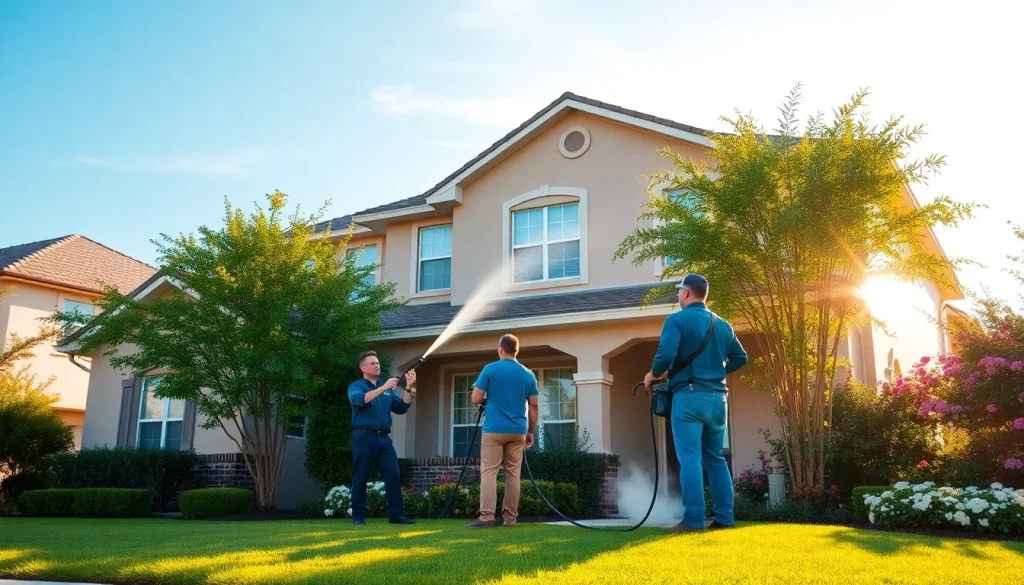
Understanding Soft Wash: The Eco-Friendly Cleaning Method
In the world of exterior cleaning, the term “soft wash” has gained significant traction as an eco-friendly alternative to traditional pressure washing. With a growing awareness of environmental issues, homeowners and business owners alike are seeking cleaning methods that effectively remove dirt and grime without causing damage to surfaces or harming the environment. At Full Pressure Powerwash, we incorporate techniques that align with today’s sustainable practices, including the innovative approach of soft washing. When exploring options, soft wash services offer eco-friendly insights that cater to various cleaning needs.
What is Soft Washing and How Does it Work?
Soft washing is a specialized cleaning method that employs low pressure combined with biodegradable cleaning solutions. This technique is particularly effective for surfaces that are susceptible to damage from high-pressure washing, such as roofs, wooden decks, and painted siding. The soft wash process generally involves the following steps:
- Preparation: Before soft washing, surfaces are assessed for any damage, and necessary precautions are taken.
- Application: A mixture of water and eco-friendly cleaning agents is sprayed onto the surface to break down contaminants.
- Rinsing: After allowing the solution to dwell, the area is gently rinsed, effectively removing grime and bacteria without high pressure.
- Post-Care: Regular maintenance tips are provided to help homeowners keep their surfaces clean longer.
Benefits of Soft Wash vs. Traditional Pressure Washing
When comparing soft washing to traditional pressure washing, several key benefits emerge that illustrate why many property owners prefer this gentle yet effective method:
- Safety: The low pressure of soft washing minimizes the risk of damage to delicate surfaces.
- Longevity: By using biodegradable solutions, soft washing not only cleans but helps extend the lifespan of materials.
- Eco-Friendliness: With a focus on environmentally safe agents, soft washing aligns with sustainable practices.
- Thorough Cleaning: It effectively eliminates mold, algae, and mildew, which can be detrimental to both aesthetics and structural integrity.
Common Misconceptions about Soft Washing
Despite its growing popularity, soft washing is often misunderstood. Here are some common misconceptions:
- Soft washing is just low-pressure washing: While it does use low pressure, the key aspect of soft washing lies in the specialized cleaning agents used.
- It’s not as effective: Many believe that low-pressure methods are less effective, but soft washing often yields superior results, especially for biological growth removal.
- Soft washing is only for roofs: This technique can be employed on a variety of surfaces, including decks, driveways, and siding.
Essential Equipment for Effective Soft Washing
Recommended Tools and Supplies for Soft Washing
To effectively perform soft washing, the right equipment is essential. The following tools are typically recommended:
- Soft Wash System: This includes a low-pressure pump, hoses, and nozzles designed for gentle application of cleaning solutions.
- Biodegradable Cleaning Agents: These solutions are formulated to break down dirt and organic materials without harming the surrounding environment.
- Protective Gear: Safety goggles, gloves, and masks should be worn to protect oneself from chemicals and debris.
Setting Up Your Soft Wash System
Setting up a soft wash system involves careful planning and execution. Here’s a simplified overview:
- Identify Surface: Determine which surfaces require cleaning and the appropriate cleaning agents needed.
- Mix Solutions: Prepare the cleaning solution according to the manufacturer’s instructions for effective results.
- Test Area: Always test a small area before full application to ensure compatibility and effectiveness.
- Apply Evenly: Use a fan nozzle to apply the solution uniformly across the surface.
Safety Precautions When Using Soft Wash Equipment
Safety should always be a priority when undertaking any cleaning project. Here are essential precautions:
- Personal Safety Gear: Always wear gloves, goggles, and masks to protect from chemical exposure.
- Check Equipment: Regularly inspect your soft wash equipment for leaks and damages.
- Follow Instructions: Adhere to the manufacturer’s guidelines for both safety and effectiveness.
Step-by-Step Guide to Soft Washing Your Home
Preparation: Assessing Your Property for Soft Washing
Before initiating the soft wash process, a thorough assessment is crucial. Inspect your property for:
- Surface Types: Identify different materials like vinyl, wood, or brick, as each requires a specific approach.
- Damage Areas: Check for cracks, loose paint, or other vulnerabilities that need attention prior to washing.
- Obstructions: Remove any furniture, plants, or decorations that might impede the cleaning process.
Executing the Soft Wash Process Efficiently
Once the preparation is complete, follow these steps during the soft washing process:
- Apply Cleaning Solution: Use a soft wash system to apply the cleaning solution evenly across the entire surface.
- Allow Dwell Time: Let the solution sit for the recommended time based on the manufacturer’s instructions; this is critical for effective cleaning.
- Rinse Thoroughly: Rinse with clean water using a low-pressure setting, ensuring all residues are removed.
Aftercare: Maintaining Your Home’s Cleanliness Post-Soft Wash
Post-cleaning maintenance is vital to preserving the results achieved through soft washing. Consider the following:
- Regular Inspections: Schedule periodic checks to identify any buildup again, especially in damp areas.
- Routine Cleaning: Consider a light wash every few months to prevent heavy grime accumulation.
- Address Issues Promptly: If you notice any mold or mildew returning, respond quickly with appropriate treatments.
Commercial Soft Washing: Best Practices for Business Owners
Why Businesses Need Soft Washing Services
For business owners, maintaining a clean exterior is not just about aesthetics; it’s also about professionalism. Here’s why soft washing is critical for commercial properties:
- Customer Attraction: A clean storefront enhances curb appeal and attracts more customers.
- Health and Safety: Removing algae and mold helps create a safer environment, especially around entryways.
- Brand Image: Regular maintenance reflects positively on the brand, suggesting reliability and care.
How to Choose a Professional Soft Washing Company
Selecting the right soft washing company is crucial for achieving the best results. Here’s what to consider:
- Experience: Look for companies with extensive experience in soft washing and positive customer reviews.
- Insurance: Ensure they are properly insured to protect against any damages during the cleaning process.
- Technique Understanding: A reputable company will explain their methods clearly, including the cleaning agents they use.
Case Studies: Successful Soft Wash Projects in Central Florida
Many businesses in Central Florida have benefitted from professional soft washing services. For example:
- A Local Restaurant: After a thorough soft wash, the exterior looked pristine, which significantly increased foot traffic and customer satisfaction.
- A Retail Store: Post-cleaning, the revitalized facade helped in boosting their sales during peak seasons.
Future Trends in Soft Washing: What to Expect by 2025
Emerging Technologies in Soft Washing Equipment
The soft washing industry is constantly evolving with advancements in technology. By 2025, we can expect:
- Automated Systems: Increased automation in soft washing equipment to enhance efficiency and simplify processes.
- Smart Solutions: Integration of IoT technology to monitor and adjust cleaning solutions based on real-time data.
Eco-Conscious Practices in the Soft Washing Industry
As environmental concerns continue to grow, the soft washing industry is expected to further embrace eco-conscious practices:
- Biodegradable Options: An increase in demand for 100% biodegradable cleaning agents that are safe for plants and pets.
- Water Conservation: Techniques that minimize water usage while maximizing cleaning efficiency will likely become standard.
Adapting to Consumer Demands in Exterior Cleaning Services
The shift toward sustainability will influence consumer expectations in the cleaning industry:
- Customization: Customers will increasingly seek customized cleaning solutions that address their specific needs.
- Education: Companies will need to educate consumers on the benefits of soft washing versus traditional methods.